Picture this: it’s 7 p.m., you’re rushing home after a long day, and dinner is a repeat of plain pasta or takeout. Your energy dips, and you know veggies could steady that, but where to start? As Sophia Lee, I’ve been there, juggling work and family while craving simple ways to feel fueled without overwhelm.
Veggies bring steady energy through fiber and nutrients that keep blood sugar even, supporting consistent routines. They reduce friction in meal prep when added smartly. In this guide, we’ll use a 4-pillar framework to build veggie habits gently, with 5-minute ideas, shopping lists, and tweaks for your preferences.
These steps focus on small wins: prep cues for ease, seamless blending, smart swaps, and routine stacking. You’ll get breakfast boosts, lunch hacks, dinner wins, and a swap table too. Let’s make veggies a natural part of your day for sustainable progress.
Build Momentum with a 4-Pillar Framework for Veggie Habits
The foundation is a 4-pillar framework: Prep Cues, Blend Seamlessly, Swap Smartly, and Stack on Routines. Each pillar reduces friction and builds consistency with everyday ingredients. Start with one to see small wins quickly.
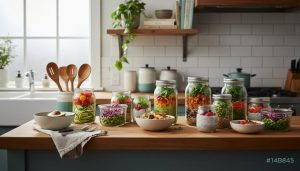
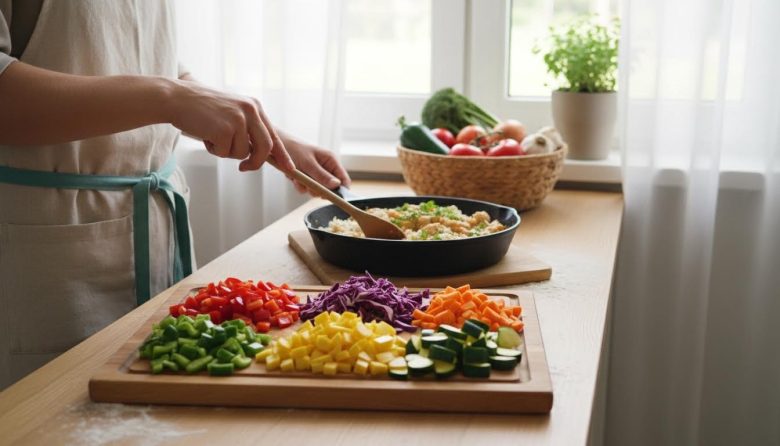
Pillar 1: Prep Cues. Chop veggies ahead on Sundays—think carrots, bell peppers, zucchini. Store in clear containers as visual cues in your fridge. This cuts daily prep to 2 minutes, making routines smoother.
Pillar 2: Blend Seamlessly. Puree spinach into smoothies or sauces; no one notices the green boost. Use a blender for 30 seconds—add frozen spinach for creaminess. Tweak with fruits for picky palates.
Pillar 3: Swap Smartly. Grate zucchini into muffins or cauliflower for rice. These keep textures familiar while doubling nutrition. Experiment with one swap per meal for steady adaptation.
Pillar 4: Stack on Routines. Add sliced cukes to your morning sandwich spot or tomatoes to lunch prep. Habit stack on existing cues like coffee brewing. This creates automatic veggie flow.
Try the framework like this: Sunday prep (pillar 1), Monday smoothie blend (pillar 2). Before long, veggies cue your steady energy without extra effort.
Breakfast Boosts: Veggies That Slip In Before Your Coffee
Mornings rush by, but veggies can stack quietly. Blend spinach into a banana smoothie: 1 cup spinach, banana, yogurt, milk—blend 1 minute. It tastes fruity, hides greens perfectly.
Or grate zucchini into oat muffins: mix 1 cup oats, 1 grated zucchini, egg, cinnamon; bake 15 minutes. Freezes well for grab-and-go. Tweak with applesauce for natural sweetness.
Habit stack: while coffee brews, chop cukes for yogurt dip. Shopping snippet: spinach, zucchini, bananas, oats. This sets a calm, fueled start.
Before: plain toast, energy crash by 10 a.m. After: veggie-boosted oats, steady focus through lunch. Small cues build lasting routines.
Lunch Hacks: Turn Sandwiches and Salads into Veggie Powerhouses
Lunch often skips veggies amid busy desks. Grate carrots into wraps: shred 1 carrot, add to turkey or hummus wrap. Crunchy, sweet upgrade in 2 minutes.
Ribbon cucumbers with a peeler over salads: layer with greens, feta, vinaigrette. Keeps it light, refreshing. For picky eaters, mix into pasta salad.
Before routine: dry sandwich, mid-afternoon slump. After: carrot-packed wrap, sustained energy. Stack on your lunch packing cue.
These use pantry staples, reducing shopping friction. Pair with a 7-Day Light Meal Plan for Busy Schedules for full-day flow.
Smart Swaps to Double Veggies Without Changing Your Recipes
Swaps upgrade meals subtly, keeping flavors you love. Use this table for quick reference—each adds fiber and vitamins with minimal prep. Environment tweak: print and fridge-post for daily cues.
| Meal Type | Original Version | Veggie Swap | Prep Time | Nutrition Win |
|---|---|---|---|---|
| Pasta | Plain sauce | Pureed cauliflower | 2 min | Fiber boost, creamy texture |
| Rice | White rice | Cauliflower rice | 3 min | Lower carbs, more volume |
| Soup | Broth base | Blended carrots/onions | 4 min | Vitamin A, natural sweetness |
| Mashed potatoes | Potatoes only | Half cauliflower | 5 min | Extra nutrients, lighter feel |
| Omelet | Eggs alone | Chopped spinach/mushrooms | 1 min | Iron, antioxidants |
| Smoothie | Fruit only | Kale or spinach handful | 30 sec | Greens without taste change |
Pick one row weekly—like cauliflower in pasta. This sustains progress through familiar tweaks.
Dinner Wins: Colorful Additions That Family Loves
Dinner invites family, so keep it appealing. Stir-fry bell peppers and broccoli: slice, sauté 5 minutes with soy and garlic. Adds crunch everyone craves.
Roast root veggies: carrots, beets, potatoes—toss in oil, 25 minutes at 400°F. Sweet caramelization wins over kids. Tweak spice for preferences.
Simple recipe: zucchini noodles with tomato sauce—spiralize or slice thin, 4 minutes. Feels fresh, light. Stack on your dinner routine cue.
These build shared habits. Linking to Tips for Staying Active Every Single Day keeps energy high post-dinner.
Common Blockers to Veggie Consistency and Quick Fixes
Time crunch hits hard—fix with batch prepping Sundays: wash, chop, portion into bags. Fridge-ready reduces daily friction to seconds.
Taste aversion fades with roasting: high heat crisps edges, enhances sweetness. Start with olive oil, salt—cues like a sheet pan timer help.
Forgetting? Visual cues: place prepped bins front-and-center in fridge. Phone reminder for one handful per meal builds the cue.
Picky eaters block progress—blend or grate finely first. Offer choices like carrot sticks vs. ribbons. Steady exposure brings small wins.
These fixes keep routines gentle, turning blockers into sustainable steps.
Track Your Tiny Metric for Sustainable Small Wins
Your tiny metric: count “veggie handfuls” daily via phone notes app. Aim for 5-7; one handful equals a fist-sized portion. Easy, no scale needed.
Log morning smoothie (2), lunch wrap (1), dinner stir-fry (3). Review weekly for patterns—celebrate steady climbs. Ties to How to Track Daily Steps Without Fancy Gear for holistic tracking.
CTA: Choose one swap from the table + one pillar cue, like prep Sunday. Try for 7 days. Notice energy steadiness grow.
Frequently Asked Questions
Can I add veggies if my family hates them?
Yes, start hidden: blend spinach into sauces or smoothies where taste vanishes. Gradually reveal with fun presentations like veggie “fries” roasted crispy. Involve them in picking colors for buy-in, building family routines gently.
What’s a quick shopping list for beginners?
Grab these 10 staples: spinach (bag), zucchini (3), carrots (bunch), cauliflower (head), bell peppers (4 colors), cucumbers (4), broccoli (crown), frozen kale, cherry tomatoes, onions. Focus on versatile, long-lasting picks. Under $20 feeds a week.
How do I store prepped veggies to reduce friction?
Use clear glass containers or zip bags, labeled by meal. Store roots in water jars for crispness, greens damp in towels. Fridge top shelf for cues—lasts 4-5 days, cues grab-and-go ease.
Are frozen veggies as good for routines?
Absolutely—nutrients hold up, no chopping needed. Swap frozen spinach in eggs or broccoli in stir-fries; quicker thaw. Perfect for busy cues, same wins as fresh.
What if I travel or eat out often?
Portable hacks: pre-portion carrot sticks in bags, add to airport salads. At restaurants, sub fries for steamed veggies or load salads. Track handfuls on-the-go for consistency anywhere.