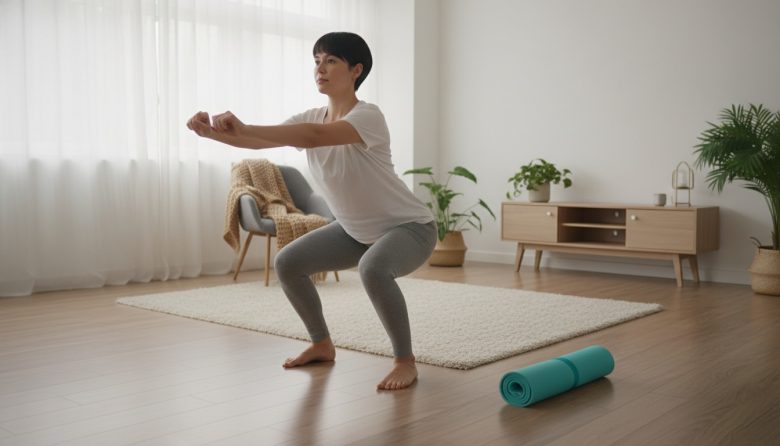
Hey there, it’s Emma here, sipping my morning coffee just like I do every day. A couple of weeks ago, I was rushing through my kitchen, feeling that familiar sluggishness after a late night, when I remembered my simple home workout routine—nothing fancy, just five minutes right there on the rug. That quick session shifted my whole mood, gave me steady energy without stepping foot in a gym, and now it’s as automatic as brewing this cup. If you’re a busy beginner intimidated by workouts, you’re in the right spot; these home sessions build fitness into your day with zero overwhelm.
Home workouts shine because they’re accessible anytime, using just your body and a bit of floor space. They create consistency cues, like tying them to your coffee ritual, turning exercise into a seamless habit rather than a chore. Imagine before: dragging through your morning, low on pep. After: a gentle flow leaves you alert and ready, proving small moves lead to sustainable progress.
Why Home Workouts Build Steady Fitness into Your Daily Routine
Home workouts fit perfectly into packed schedules because they skip commutes and gear hassles. You can start with bodyweight basics—no equipment means low friction from the get-go. This setup encourages daily consistency, weaving fitness into routines like your post-breakfast tidy-up.
Take my routine: before discovering this, evenings left me stiff from desk time. Now, a short session cues relaxation, reducing soreness and boosting sleep quality. It’s about steady integration, not intensity, for long-term wins anyone can claim.
Pairing movement with daily anchors, like after coffee, builds cues that stick. Studies show such habits form faster when linked to existing patterns. Your body learns to expect the energy lift, making fitness feel natural over time.
Your 4-Pillar Framework for Effortless Home Sessions
Let’s break it down into a simple 4-pillar framework you can try today—no prior experience needed. Pillar 1: Warm-up cue, just 2-3 minutes to wake your body gently. Pillar 2: Core moves with bodyweight exercises for strength. Pillar 3: Cool-down stretch to ease out. Pillar 4: Quick reflection note to note what felt good.
Start with Pillar 1: Stand tall, roll your shoulders back ten times, then circle your arms. This 2-minute cue signals your brain it’s go-time, reducing injury risk. I do mine while my coffee brews, stacking it effortlessly.
Pillar 2 builds strength: Try squats (10 reps), push-up modifications on knees (8 reps), and planks (20 seconds). Keep form simple—feet hip-width for squats, back straight. These target full body without overwhelm.
Pillar 3: Stretch major muscles—hold hamstring reaches for 20 seconds each side, then chest openers. This promotes recovery, keeping you limber for tomorrow. Pillar 4: Jot one note, like “Felt stronger on planks,” in your phone. It reinforces small wins.
This framework takes 10-15 minutes total, scalable as you progress. Use it daily for cues that build momentum. You’ll notice steadier energy flowing into other habits.
Table: Home Workout Routine Options Comparison
Choosing a routine? This table compares beginner-friendly options, highlighting durations, needs, and start cues. Pick one that matches your space and focus for low-friction entry. Each builds on the 4-pillar framework.
| Routine Name | Duration | Equipment Needed | Focus Areas | Best Cue to Start |
|---|---|---|---|---|
| Full-Body Flow | 10 minutes | None | Legs, core, upper body | After morning coffee |
| Lower Body Focus | 12 minutes | Chair for support | Glutes, thighs, balance | Post-brushing teeth |
| Upper Body Gentle | 8 minutes | Wall | Arms, shoulders, back | Before lunch break |
| Core Stability | 10 minutes | Mat (optional) | Abs, posture | Evening wind-down |
| Energy Boost Quickie | 7 minutes | None | Full body mobility | Mid-afternoon slump |
These routines keep things varied to prevent boredom. Start with Full-Body Flow if you’re new—its cue ties to a reliable daily habit. Track which feels best for your routine tweaks.
Spot Common Blockers and Tweak Your Environment for Smooth Starts
Blocker 1: “No time.” Fix: Shrink to 5 minutes using the framework’s pillars—quality over quantity. Clear a 4×6 foot spot nightly so it’s ready.
Blocker 2: Sore muscles post-start. Fix: Add extra Pillar 3 stretches; use a foam roller if available, or just roll on the floor. Alternate days for recovery.
- Blocker 3: Motivation dips—set phone reminders as cues, paired with upbeat tunes.
- Blocker 4: Boredom—rotate table routines weekly for fresh focus.
- Blocker 5: Space crunch—use walls or doorways for support moves.
These tweaks reduce friction, making sessions inviting. My living room corner, once cluttered, now cues movement just by being open. Small environment shifts sustain progress.
Stack Workouts onto Existing Habits for Sustainable Wins
Habit stacking glues new routines to old ones seamlessly. After brushing teeth, flow into Lower Body Focus— the mirror reminds you of form. This cue leverages your morning autopilot.
Clear floor space weekly, like I do during tidies, to eliminate setup friction. Roll up a mat nearby for quick grabs. Before: excuses from mess. After: instant starts.
When energy lags mid-day, stack an Energy Boost Quickie onto your snack break. It pairs well with smarter choices, like those in tips for smarter grocery shopping habits, fueling steady performance. Or, if afternoons drag, try elements from how to get moving with fun dance breaks to loosen up first.
Evening? Link Core Stability to your unwind, flowing into better rest as in an evening wind-down plan for restful sleep. Stacking builds cues that stick without force.
Track One Tiny Metric to Celebrate Small Progress
Your tiny metric: Log “sessions completed per week” in a phone note—aim for 4 out of 7. This simple tally spotlights consistency over perfection.
Why it works: Seeing “4/7” last week motivates tweaks, like better cues. In my routine, tracking shifted me from sporadic to steady, stacking small wins.
CTA: Choose one routine from the table + one cue, like post-coffee Full-Body Flow. Try for 7 days, log it, and note the energy shift. Sustainable fitness starts here.
Your 7-Day Starter Plan with Real-Routine Tweaks
Day 1: Full-Body Flow after coffee (10 min). Note form feels. Day 2: Lower Body Focus post-teeth (12 min). Stretch extra if tight.
Day 3: Rest or gentle walk; reflect on wins. Day 4: Upper Body Gentle before lunch (8 min). Stack with deep breaths.
Day 5: Core Stability evening (10 min). Tweak space if needed. Day 6: Energy Boost Quickie mid-afternoon (7 min). Log your tally.
Day 7: Favorite repeat; celebrate 5+ sessions. Before plan: Inconsistent energy, skipped moves. After: Routine feels cue-driven, body stronger, mood lifted.
This light plan uses pillars daily, building cues gently. Adjust for your flow—maybe swap for dance elements if mobility calls. Steady practice turns it routine, unlocking calm confidence.
Real tweak from my week: Day 3 off led to stacking on Day 4 seamlessly—no guilt, just progress. Yours will adapt too, fostering sustainable fitness.
Frequently Asked Questions
Can I do home workouts if I have no exercise experience?
Absolutely— this framework starts gentler than gym classes. Focus on slow Pillar 1 warm-ups and modified moves, like knee push-ups. Build form over weeks; your body adapts with consistency, as mine did from couch days.
What if I miss a day—how do I get back on track?
Missing happens; restart with your cue next time, no big reset. Shorten to 5 minutes if rusty—log it anyway for the win. This keeps momentum without pressure, turning slips into quick rebounds.
Do I need space or special gear to start?
Minimal: 4×6 feet clear floor, no gear beyond optional chair or mat. Use walls for balance; my kitchen corner works fine. Environment tweaks like nightly clears make it friction-free.
How do I know if my form is right without a trainer?
Watch free mirror checks or phone videos for alignment—knees over toes in squats. Start slow, feel no pain; pillars emphasize safe basics. Progress feels steady as form cues strengthen.
What’s the best time to fit this into a packed schedule?
Anchor to habits like post-coffee or pre-dinner for cues that stick. Mornings boost energy, evenings aid wind-down. Test timings via your 7-day plan; mine shifted to mornings for all-day pep.