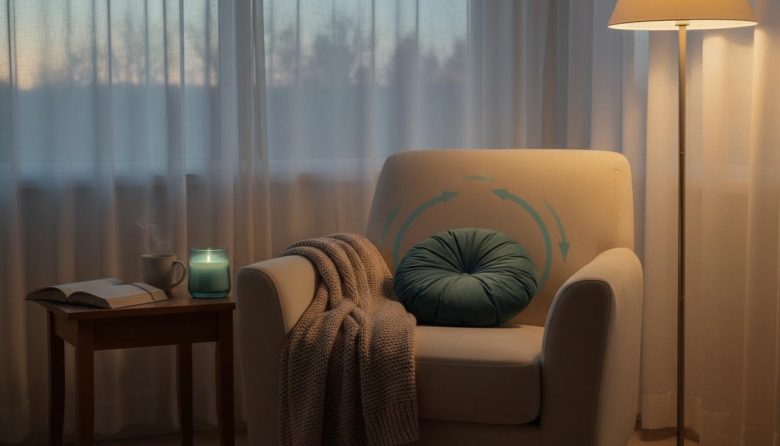
Picture this: it’s 10 PM, your mind races with tomorrow’s to-do list, screens glow in the dim light, and you’re tossing in a stuffy room. Sleep feels elusive, leaving you groggy the next day. Now imagine a different evening—dim lights cue relaxation at 8 PM, a warm herbal tea in hand, and a cool, dark bedroom welcoming deep rest. This shift comes from building a wind-down routine, using simple cues for consistency rather than perfection.
Your body thrives on steady signals to transition from day to night. A reliable wind-down reduces stress hormones and primes restorative sleep. In this guide, we’ll cover a 4-pillar framework: crafting cues, optimizing your bedroom, unplugging early, and selecting a routine level from the comparison table below. You’ll also find common blockers with fixes, a tiny metric to track, and a 7-day challenge to stack small wins.
Before: Chaotic evenings mean scrolling until midnight, caffeine lingering, erratic bedtimes. After: Habit-stacked cues lead to falling asleep in 15 minutes, waking refreshed. Sustainable sleep builds from these routines—let’s get you there with actionable steps.
Craft Evening Cues to Signal Your Body It’s Time to Unwind
Start your wind-down with cues that tell your brain it’s rest time. These are quick habits tied to the clock or daily anchors. Aim for consistency to lower friction over time.
Dim the lights at 8 PM—takes 2 minutes. Swap bright bulbs for warm, low-watt ones or use lamps. This mimics sunset, signaling melatonin release.
Brew herbal tea like chamomile—5 minutes prep. Stack it after dinner: pour, sip slowly in a favorite mug. Beginner mod: Keep tea bags by the kettle for zero friction.
Play soft sounds, such as rain tracks—3 minutes setup. Use a phone timer or app. Progress by fading volume weekly for natural quiet cues.
These stack easily: lights first, then tea, sounds last. Track one cue daily for steady gains. In a week, your body anticipates rest.
Optimize Your Bedroom for Frictionless Rest Signals
Your sleep space sends constant cues—make it a rest sanctuary. Small tweaks create low-friction signals for better sleep quality. Focus on steady changes, not overnight overhauls.
Cool the room to 65-68°F (18-20°C)—5 minutes with a fan or open window. This matches your body’s drop in core temperature for sleep onset. Beginner mod: Layer light blankets to adjust warmth gradually.
Install blackout curtains or eye mask—10 minutes setup. Block streetlights fully. Pair with white noise to drown external sounds.
Add a lavender diffuser—2 minutes nightly. The scent calms the nervous system. Progress tracker: Note mood upon entering bed weekly.
Remove clutter: Clear nightstand to one book and water glass. This reduces visual friction. When considering how to improve sleep with easy evening routines, these tweaks anchor the whole process seamlessly.
Unplug Early with a Screen-Free Transition Buffer
Screens spike alertness—build a 60-90 minute buffer without them. Replace with calming swaps to ease into rest. Consistency here cuts sleep latency significantly.
Set a device curfew at 9 PM—1 minute to charge phones outside the bedroom. Use airplane mode if needed. Beginner mod: Start with 30 minutes, extend weekly.
Read a physical book—20 minutes. Stack after tea cue. Choose light fiction to avoid stimulation.
Journal three gratitudes—5 minutes. This offloads racing thoughts. Friction reducer: Keep a notebook by your bed.
These steps create a buffer that signals downtime. Your eyes and mind adjust, leading to faster sleep. Link it naturally to bedroom optimizations for flow.
Your Wind-Down Routine Options at a Glance
Pick a level that fits your life using this comparison table. It outlines beginner to enhanced routines with time estimates, steps, mods, and benefits. Customize the last row for progress. This framework lets you scale sustainably, tracking small wins.
Start with Beginner for low friction, advance as cues stick. Habit stack one step from earlier pillars. Expect steadier sleep cycles within days.
| Routine Level | Total Time | Key Steps (3-4) | Beginner Modification | Expected Benefit |
|---|---|---|---|---|
| Beginner | 20 min | Dim lights, herbal tea, 10-min read | 5-min read only | Fall asleep 10-15 min faster |
| Steady | 35 min | Dim lights, tea, journal, cool room | Skip journal | Deeper sleep, wake refreshed |
| Enhanced | 50 min | Dim lights, tea, unplug read, diffuser, sounds | Use phone timer for sounds | Consistent 7-8 hours rest |
| Your Custom | [Your time] | [List 3-4 steps] | [Easy swap] | [Personal win goal] |
Common Blockers to Evening Calm and Practical Fixes
Blockers derail routines—spot them early with targeted fixes. Use environment tweaks and cues for sustainability. Here’s a list of four common ones.
- Racing mind: Offload with 4-7-8 breath (inhale 4 sec, hold 7, exhale 8)—2 minutes before bed. Journal one worry + solution. Keeps thoughts from looping.
- Hunger pangs: Prep light snack like banana post-dinner. Cutoff heavy meals 3 hours before bed. Stack with tea for satisfaction.
- Irregular schedule: Anchor to dinner end, not clock. Flexible cue: 90 minutes after last meal. Builds consistency amid shifts.
- Partner disruptions: Share routine—earplugs or shared quiet hour. Designate wind-down zones. Communicate for mutual cues.
Address one blocker per week. These fixes reduce friction, paving steady progress. Transition smoothly to tracking for motivation.
Track One Tiny Metric for Sustainable Sleep Wins
Measure “Bedtime consistency score”: Note days you start wind-down within 15 minutes of target (0-7 scale weekly). Log in a notes app or paper—1 minute nightly.
Template: Day 1: Started at 9:05 (target 9 PM)—score yes. Weekly average builds momentum. Celebrate scores above 4 with a small reward.
Your CTA: Choose one habit (e.g., dim lights) + one cue (e.g., post-dinner). Try for 7 days, track the metric. Small wins compound into restful nights.
Pair this with how to start gentle yoga for flexibility in evenings for added calm, or prep ahead via how to prep light meals for your workweek to avoid late hunger.
Frequently Asked Questions
What if I can’t stick to a fixed wind-down time due to my schedule?
Anchor to a flexible cue like finishing dinner or last work task. This creates consistency without rigid clocks—aim for 60-90 minutes before desired bedtime. Adjust daily, tracking your metric to refine over time.
Can I include light exercise in my wind-down?
Yes, opt for gentle walks or stretches 2-3 hours before bed—10-15 minutes max. Avoid intense sessions that raise heart rate. Stack with cues like post-dinner for sustainable flow.
What about caffeine or alcohol in the evening?
Cut caffeine after noon; it lingers 8 hours. Swap alcohol for herbal tea—booze fragments sleep despite drowsiness. Track intake alongside your metric for clear patterns.
How do I handle a racing mind at bedtime?
Use a 5-minute breath routine: 4-7-8 pattern repeated 4 times. Follow with journal prompt: “One thing I’m releasing tonight.” This cues calm, reducing wake-ups.
Is it okay to nap during the day if I’m building this routine?
Limit to 20-30 minutes before 2 PM. This sustains energy without night interference. Skip if bedtime score dips—prioritize evening cues for balance.