Picture this: you wake up feeling sharp and ready, breeze through your morning meetings, and hit that 3 p.m. stride without the usual fog. That’s the gift of steady hydration, and I’ve been there in the trenches of desk dehydration myself. As Sophia Lee, I used to stare at my screen mid-afternoon, head pounding from forgotten water breaks amid endless emails and calls.
My turning point came when I noticed how a simple glass by my desk cleared my thoughts instantly. Hydration isn’t about chugging gallons; it’s a quiet habit that fuels focus, curbs headaches, and keeps energy sustainable. Today, I’ll walk you through my 4-pillar framework, common blockers with fixes, and a tiny metric for small wins—because consistent sips lead to steady days.
Ready for effortless hydration? Let’s build routines that fit your busy workday like a glove.
The Desk Dehydration Trap and Why It Steals Your Focus
Most of us lose track of water intake during a packed workday. Studies show office workers average just half their needed fluids, leading to fatigue, poor concentration, and those nagging headaches by lunch. Your body signals thirst subtly—a dry mouth or slight dizziness—but by then, you’re already dragging.
Take Sarah’s before routine: she starts with coffee, skips water until a mid-morning crash, then powers through calls feeling foggy. After tweaking her setup, she sips steadily, ending the day alert and accomplished. Dehydration shrinks brain function by up to 2%, stealing your sharp edge without you noticing.
Science backs it simply: water carries nutrients to cells, regulates temperature, and flushes toxins. When levels drop, focus fades fast. Spotting this trap is your first cue to rebuild steady habits.
Your 4-Pillar Framework for Effortless Workday Hydration
Build hydration into your day with these four pillars: morning cue, desk anchor, meeting stack, and evening wind-down. Each one uses existing routines to reduce friction and create consistency. Start small, layering them for sustainable flow.
Pillar 1: Morning cue. Place a full glass by your bed tonight—your wake-up ritual’s perfect stack. Sip it first thing, before coffee steals the show. This kickstarts your quota gently.
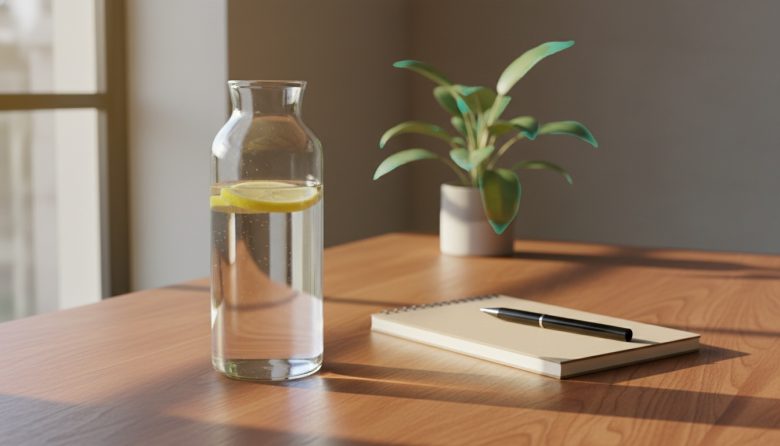
Pillar 2: Desk anchor. Mark a reusable bottle with time lines (every hour a strip). Keep it in sight, elbow-level, as your constant companion. Refill during natural pauses like stretching.
Pillar 3: Meeting stack. Pair a sip with every email check or call start. In virtual huddles, keep your bottle camera-side for the visual cue. This turns busy moments into hydration wins.
Pillar 4: Evening wind-down. As you wrap up, log your intake and prep tomorrow’s bottle. Link it to shutting your laptop—a smooth close to the day. These pillars create cues that make sipping automatic.
| Do | Don’t | Quick Fix Cue | Why It Helps |
|---|---|---|---|
| Refill bottle hourly | Wait until empty | Phone alarm at top of hour | Maintains steady pace without overload |
| Sip during emails | Chug between tasks | One swallow per message | Stacks with workflow, avoids bathroom rushes |
| Use a marked bottle | Eyeball intake | Visual time strips | Tracks progress visually for motivation |
| Prep night before | Grab random cup morning | Bedside fill ritual | Reduces morning friction |
| Flavor lightly | Drink plain if bored | Cucumber slices ready | Boosts appeal for consistency |
| Pair with snacks | Snack without water | Sip before bite | Enhances digestion, doubles cues |
| Log evening review | Forget daily total | Phone note at logout | Celebrates small wins |
Flavor Your Water with Everyday Kitchen Staples
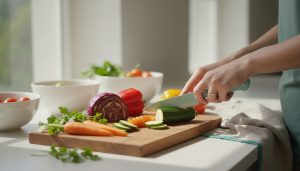
Plain water gets old fast in a hectic day, so let’s tweak it with what you already have. My go-to lemon-cucumber infusion takes 5 minutes: slice half a lemon and three cucumber rounds into a pitcher, add water, and chill overnight. Shopping list: lemons, cucumbers, fresh mint (optional), berries for swaps.
For herbal vibes, muddle basil leaves or steep ginger slices—perfect if citrus isn’t your thing. Preference tweak: swap cucumber for apple for subtle sweetness, or add fizz with a seltzer top-up. These keep sips inviting without extra effort.
I whip these up Sunday for the week, grabbing staples at any grocery. Your taste buds stay happy, turning hydration into a mini treat. Simple upgrades like this sustain the habit long-term.
Spot and Sidestep Common Blockers
Forgetting tops the list—life pulls you away from basics. Fix it with phone cues tied to your calendar, like a gentle chime every 90 minutes. Environment tweak: position your bottle on your keyboard tray for zero-search friction.
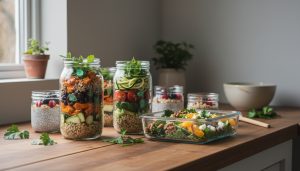
Bored taste kills momentum next. Counter with those kitchen infusions we covered, rotating flavors weekly. Keep a “flavor station” on your desk with prepped jars—grab and drop for instant appeal.
Too many bathroom runs from big gulps? Switch to smaller, frequent sips using a straw bottle. Track patterns to sip smarter around meetings. These fixes turn blockers into steady routines.
Other hurdles like travel pop up too. We’ll cover that in FAQs, but start with desk tweaks for quick wins now.
Tiny Metric: One Easy Win to Track Consistency
Your tiny metric: count “bottles emptied per day.” Use a simple phone note or sticker chart on your bottle—mark each full one down. Aim for two to three as your baseline, adjusting gently.
This tracks progress without overwhelm, highlighting small wins like hitting two on busy days. Over a week, patterns emerge, guiding tweaks for sustainability. Celebrate consistency, not perfection—it’s the steady build that counts.
Pair it with a weekly review during coffee breaks. This metric turns abstract hydration into tangible routine.
Stack Hydration Cues into Your Existing Routine
Habit stacking amplifies everything. Post-email sip becomes automatic after a dozen reps—link it to your inbox ding. For meetings, open with a bottle grab, stacking opener talk with that first swallow.
Reduce friction further: pre-fill multiple bottles night before, lining your fridge like ready soldiers. Desk tweak: clear a “hydration zone” next to your mouse, impossible to ignore. These cues weave water into your flow seamlessly.
When you consider how to create a cozy evening wind-down ritual, add your evening bottle prep right there for double routine power. Or stack with how to prep light meals for your workweek by filling bottles alongside snacks. Your pick: choose one habit from the framework plus one cue, like desk anchor with hourly chimes. Try it for 7 days and watch energy steady up.
These stacks make hydration feel natural, not forced. Steady sips await—your focused workday starts now.
Frequently Asked Questions
How much water do I really need during an 8-hour workday?
Aim for 8-10 cups (about 64-80 ounces), spread evenly to match your output. Adjust up if you’re active, caffeinated, or in dry offices—add a cup per extra factor. Tiny tweak: half your body weight in ounces as a daily baseline, easing in with pillars.
What if flavored water still feels like a chore?
Go zero-prep: pop ice cubes with frozen berries straight from the freezer into your bottle. Swap to sparkling water for fizz without effort, or try herbal tea bags chilled overnight. These keep variety high with minimal friction, sustaining your routine.
Can caffeine help or hurt my hydration?
Moderate caffeine (2-3 cups) is fine and even boosts focus when paired with extra water—one cup water per coffee. It mildly dehydrates, so stack your morning brew with that bedside glass. Balance keeps energy steady without crashes.
How do I handle hydration on travel workdays?
Pack a collapsible bottle in your bag, refilling at airports or client spots—cue it to boarding calls. Use travel apps for restroom maps to sip confidently. Pre-flight fill stacks with security routine, maintaining consistency on the move.
What’s a good first metric if I’m starting from zero?
Just track your morning glass daily—yes or no in a note app. Build to bottles emptied once that’s routine. This tiny win sparks momentum without pressure, leading to sustainable hydration habits.