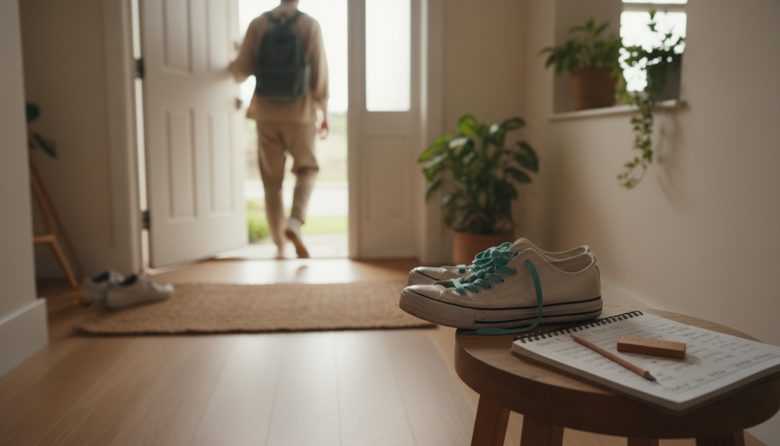
Picture this: it’s my usual Saturday morning, and I’m sipping coffee on my front porch, noticing how just a 10-minute loop around the block wakes me up more than caffeine alone. No smartwatch or fitness tracker in sight—just my cozy sneakers and the rhythm of my steps. Tracking daily steps without fancy gear has been my go-to for building steady energy, and it can be yours too.
Step counting keeps things simple, helping you spot patterns in your routine without overwhelming apps or devices. It boosts consistency, turning walks into small wins that add up over time. In this chat, I’ll share practical methods like phone apps and manual tallies, plus a 4-pillar framework to layer it in effortlessly.
Whether you’re weaving it into errands or coffee breaks, these cues make movement feel natural. Ready to start? Let’s dive into why this sparks real change.
Why Simple Step Counts Spark Sustainable Energy Gains
Before I started tracking steps, my days blurred into sitting at my desk, then crashing on the couch, leaving me sluggish by evening. Now, aiming for 7,000 steps shifts that—mornings feel brighter, and I sleep deeper. It’s about steady awareness, not perfection.
Studies show consistent steps improve mood and stamina without gym memberships. Think of it as a cue for your body to release endorphins naturally. In my routine, logging steps after lunch prevents that post-meal slump.
Before: I’d skip movement, energy dipping. After: A quick park loop stacks with my dog walk, hitting 8,000 steps by dinner. Pairing this with a beginner guide to simple home workouts amplifies those gains seamlessly.
This habit builds momentum. Your body adapts, craving those routines. Small counts lead to sustainable energy you feel daily.
Tap into Your Phone’s Hidden Pedometer Power
Your phone already tracks steps—no extra downloads needed for basics. On iOS, open the Health app; it runs in the background using motion sensors. Android users, launch Google Fit the same way.
Step one: Check permissions. Go to settings, enable motion and fitness tracking. Set a daily goal like 6,000 steps to start small.
Cue it up: Place your phone in your front pocket or bag. This reduces friction—every errand counts automatically. I stack mine with grocery runs, watching steps climb without effort.
Tweak your environment: Silence notifications if they distract, but glance at the widget on your home screen. For accuracy, keep it charged overnight. My routine? Sync it during breakfast coffee.
Pro tip: Export weekly summaries to notes for patterns. This method fits busy schedules perfectly. If pairing with meals, try a 7-Day Light Meal Plan for Busy Schedules to fuel those steps.
Activate today—your phone’s ready. Consistency here builds quick wins.
Master Visual and Tally Methods for Gear-Free Awareness
Forget batteries: visual cues like arm swings build body awareness. Swing your arms naturally while walking; count every 100 swings as roughly 100 steps. Practice on flat sidewalks first.
Habit stack it: Link to brushing teeth or waiting for the kettle. I tally during my evening unwind, stacking with tea time. No tools, just rhythm.
Paper tallies shine for precision. Grab a notepad; mark lines in sets of five per minute. Carry it in your pocket for errands.
Example: Morning routine—tally 500 during coffee shop walk. Afternoon, add 1,000 via neighborhood loop. This friction-free method trains your brain over time.
Visual landmarks work indoors: Pace 10 laps around your living room rug as 500 steps. Tweak furniture for clear paths. My before: Sedentary evenings. After: Tally-stacked TV time hits 2,000 extra steps.
These build cues anywhere. Sustainable and simple—pick one to try.
Low-Tech Step Tracking Routines at a Glance
Choosing a routine boils down to your day—phone for automation, manual for awareness. This table compares options to match your style quickly.
| Method | Tools Needed | Pros | Cons | Best For |
|---|---|---|---|---|
| Phone App | Smartphone | Automatic, accurate, data insights | Battery use, needs charging | Busy professionals |
| Paper Tally | Notepad/pen | Builds mindfulness, no tech | Easy to forget marking | Beginners |
| Arm Swing Count | None | Anywhere, anytime | Less precise initially | Errands and travel |
| Visual Landmarks | Home space | Indoor-friendly, customizable | Space-limited | Bad weather days |
| Pace Counter | Timer app | Quick estimates, flexible | Requires practice | Evening routines |
Layer Steps into Your Routine with a 4-Pillar Framework
This framework makes tracking stick without overwhelm. Follow these four pillars for steady integration.
- Pick one method. Start with phone if tech-savvy, or tally for simplicity. I chose arm swings for dog walks—low friction.
- Set clear cues. Tie to routines like post-meal or commute. Environment tweak: Keep tally sheet by keys.
- Reduce friction. Prep gear nightly; stack with habits like how to add more veggies to everyday meals for energy synergy.
- Review weekly. Note highs in a journal. Celebrate small wins, adjust cues.
Example: My week one—cued phone checks after coffee, hit 7,500 average. Pillar two shines here. Transitions smooth to next days.
Adapt as needed. This builds consistency gently.
Overcome Common Blockers with Everyday Fixes
Forgetting your phone? Switch to arm swings—no carry needed. Or set a pocket alarm as a cue.
Uneven surfaces throw off counts? Stick to sidewalks; calibrate on flats first. My fix: Neighborhood loops only.
Lack of time? Micro-stack: 100 steps per room transition. Builds without extra slots.
Motivation dips? Pair with podcasts. Review wins weekly to spot patterns. These tweaks keep momentum.
No shame—just practical shifts. Your routine evolves naturally.
Track One Tiny Metric for Steady Wins
Log your “peak daily steps” weekly in a notes app. One number tracks progress simply.
Why it works: Spots trends without overwhelm. Mine climbed from 4,000 to 9,000 over months.
CTA: Choose one method + one cue, like tallies after lunch. Try for 7 days—note that peak. Small wins await.
Frequently Asked Questions
What if my phone dies mid-day?
Switch to manual tally or arm swings seamlessly. Keep a notepad handy as backup. I carry a small one for such days, estimating from memory later.
Can I track steps accurately on carpeted floors?
Visual landmarks or pace counting work best indoors. Mark laps around furniture for reliability. Test against phone first to calibrate your stride.
How do I hit 8,000 steps starting from zero?
Begin with 2,000 via stacked cues like post-meal walks. Add 500 weekly. Habit builds steadily—my start was coffee loops only.
Is manual counting reliable long-term?
Yes, with practice; it hones awareness better than apps sometimes. Combine methods for cross-checks. I use it 80% now, phone for verification.
What if bad weather keeps me indoors?
Opt for landmark pacing or stair loops. Tweak space: Clear paths in hallways. Stack with chores for natural steps.