Last Tuesday evening, I felt that familiar drag after a heavy pasta dinner with creamy sauce. My stomach bloated, sleep tossed, and morning energy flat. That night, I switched to a simple grilled fish with steamed greens and a side of cucumber salad. No more discomfort, just steady rest and a fresh start.
Light dinners like that one make a real difference. They ease digestion, cut reflux risks, and support better sleep without strict rules. You’ll notice steady energy the next day, less morning grogginess. Busy evenings don’t have to mean heavy meals.
I’ve built this into my routine through small, sustainable changes. No big overhauls, just cues that fit my unwind time. Today, I’ll share a simple 4-pillar framework to plan light dinners anyone can try right away.
Picture your plate transformed: more color, less weight. These tweaks reduce friction on your gut. Let’s dive into what makes dinners truly light.
Spot the Gut-Friendly Traits of Truly Light Dinners
Light dinners focus on low-friction foods that move through your system smoothly. Think high water content like cucumbers or zucchini, plus color variety for natural enzymes. These cues signal easy digestion without overwhelming your gut.
Before my routine shift, evenings meant stir-fry with oily sauces and rice. I’d feel stuffed by 8pm, bloating into bedtime. Now, I steam veggies with a touch of lemon—half the plate greens, light and hydrating.
Spot these traits in your kitchen: mostly plants, lean proteins, minimal dense carbs. A before-and-after shows it: heavy stir-fry leaves fog; steamed veggies plus fish bring calm clarity. This habit stacks easily onto your evening prep.
Your gut thanks the reduced load. Consistency here builds steady wins. Next, let’s build a framework around these traits.
Build Evenings Around a 4-Pillar Framework for Balanced Plates
This 4-pillar setup keeps dinners light and satisfying. Start with pillar one: fill half your plate with veggies. Choose watery ones like spinach, broccoli, or bell peppers for volume without weight.
Pillar two: add palm-sized lean protein. Think baked chicken, fish, or eggs—sources that digest steadily. I stack this after my work email check, chopping protein while veggies steam.
Pillar three: keep fats and carbs minimal. A drizzle of olive oil or small sweet potato portion suffices. Avoid fried or creamy extras to cut digestive friction.
Pillar four: end with herbal tea like peppermint or ginger. It signals wind-down and soothes. In my routine, I brew it while plating— a cue tying the meal together.
Try this framework tonight. My Tuesday swap used all four: veggie base, fish protein, light quinoa, chamomile finish. Sleep improved overnight. Habit stacking makes it stick.
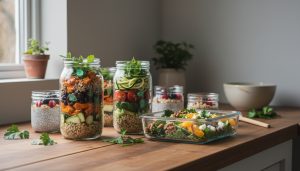
Environment tweak: keep prepped veggies in clear containers. This reduces evening decision fatigue. Sustainable plates lead to small wins every night.
For grocery cues that support this, check my Tips for Smarter Grocery Shopping Habits. Fresh picks make pillars effortless.
Easy Food Swaps for Lighter, Digestion-Friendly Dinners
These swaps turn heavy habits into light routines. Use the table below as your quick reference. Pick one row to try first for consistency.
| Heavy Dinner Staple | Light Swap | Digestion Benefit | Quick Routine Tip |
|---|---|---|---|
| Fried rice | Quinoa veggie bowl | Reduces bloating from excess oils | Stack after work email check |
| Pasta with cream sauce | Zucchini noodles with tomato | Lighter on dairy, steady fiber release | Prep spirals during morning coffee |
| Burger and fries | Grilled chicken salad | Cuts fried fats, boosts hydration | Pair with unwind playlist |
| Pizza slice overload | Veggie flatbread with hummus | Less cheese density, more plant enzymes | After kids’ bedtime routine |
| Heavy curry with rice | Steamed fish and greens | Tones down spices, eases gut load | Sunday batch for weekdays |
| Cheese-loaded quesadilla | Turkey lettuce wraps | Lowers dairy friction, adds crunch | Evening chop with podcast |
Use these swaps for small, repeatable wins. Notice how each ties to a cue in your day. Over a week, they’ll build lighter evenings naturally.
Post-swap comfort grows steady. My quinoa bowl routine cut my bloat by half. Track one, layer more.
Time Your Light Dinners with Body Clock Cues
Aim for meals 3-4 hours before bed to sync your body clock. Use hand portions: fist for veggies, palm for protein. This keeps intake light and timed right.
Environment tweak: prep veggies in the morning. I slice cucumbers at breakfast—ready for my 6pm cue. No evening rush, just smooth flow.
Before, late 9pm eats disrupted sleep. Now, 6pm plates with pillar framework mean calm nights. Your clock cues make timing sustainable.
Pair dinner end with a short walk. It aids settling. Steady rhythm here supports gut health long-term.
For movement that complements digestion, see my Beginner Guide to Simple Home Workouts. Gentle steps enhance the timing.
Tackle Common Blockers Keeping You from Light Nights
Family pushback often stalls light plans. Fix: offer kid-friendly swaps like fun veggie wraps from the table. Involve them in pillar plating for buy-in.
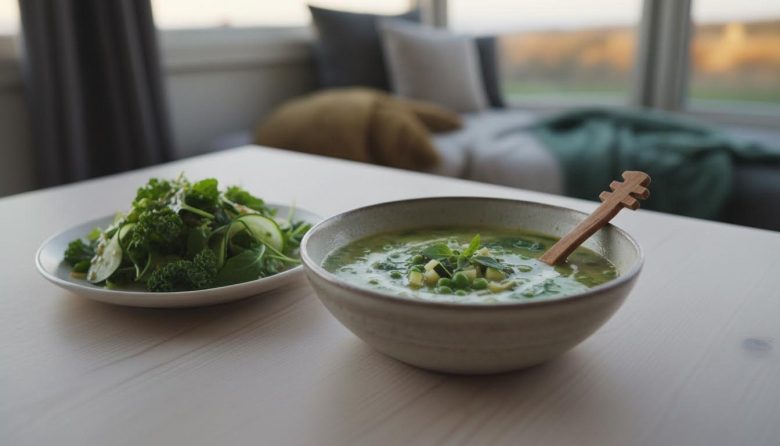
Hunger cues hit hard by evening. Counter with volume eating—big salads fill without density. Add broth soups for extra hydration and satisfaction.
- Blocker: Late schedules—Solution: make-ahead pillar meals Sunday. Fridge-ready by 8pm.
- Blocker: Cravings—Solution: cue-shift with tea first, then plate.
- Blocker: No time—Solution: 10-minute steam setups.
These fixes reduce friction. My family now joins quinoa bowls. Small adjustments yield big comfort.
Track One Tiny Metric for Sustainable Progress
Log post-dinner comfort on a 1-5 scale in your phone notes. Rate bloating, energy, sleep prep daily. This tiny metric spots patterns without overwhelm.
After a week, review for steady gains. My scores climbed from 2s to 4s with pillars. No shame, just clear progress.
Tie it to your evening cue. Sustainable tracking builds confidence. Celebrate the upticks.
Pick one pillar from the framework and one swap from the table. Set a cue like post-email. Try for 7 days and note your comfort shifts.
Frequently Asked Questions
What counts as a light dinner if I’m always starving by evening?
Focus on volume foods that fill without weighing you down, like big salads with lean protein. Build half-plate veggies for satisfaction. In my routine, adding cucumber slices curbs hunger while keeping digestion smooth.
Can light dinners include my favorite carbs without guilt?
Yes, use small portions of whole grains like quinoa in pillar three. Swap cues help: half sweet potato instead of full rice. This sustains energy steadily, no all-or-nothing.
How do I plan light dinners with a busy family schedule?
Batch prep pillars on Sundays—chop veggies, portion proteins. Habit stack family meals around the table swaps. My evenings flow even with kids’ activities.
What if light dinners disrupt my energy the next morning?
Sparingly add sustaining fats like avocado slices to pillar three. Track your tiny metric to tweak. Steady balance prevents dips, as in my fish-greens routine.
Are there light dinner ideas for vegetarians or specific diets?
Adapt pillars: tofu or lentils for protein, keep veggie base. Steam stir for low friction. My go-to is hummus flatbread—fits any diet seamlessly.
After lighter nights, weave in fun movement like from How to Get Moving with Fun Dance Breaks. It aids digestion flow.