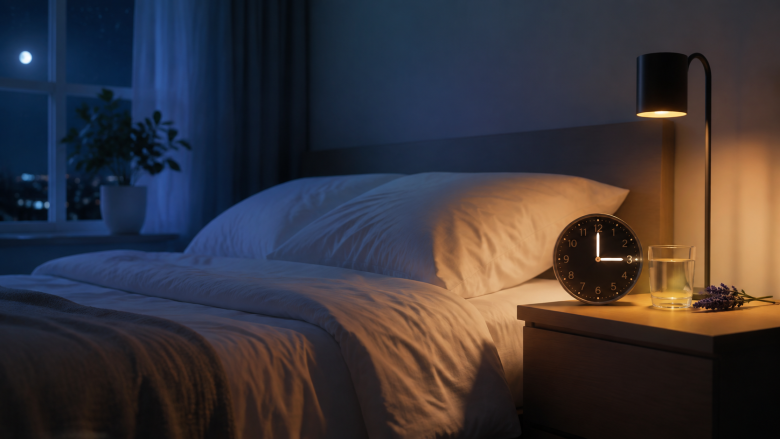
The Real Problem Isn't Falling Asleep - It's Staying Asleep
You crawl into bed, your head hits the pillow, and within 15 minutes you're drifting off. But then, without warning, your eyes snap open at 3:17 AM. Your brain is alert, your heart is pounding, and you're staring at the ceiling for the next two hours. Sound familiar? You're not alone. Millions of people can fall asleep without trouble but can't stay asleep. The difference between these two experiences comes down to entirely different biological mechanisms - and the fix is not the same.
The core question is: How do you fall asleep and stay asleep? The answer isn't a single trick. It's about understanding why your sleep breaks at specific times and then applying targeted strategies that match those triggers. In this guide, I'll walk you through the exact physiological reasons for mid-sleep awakenings, the 10 3 2 1 0 rule that many people ask about but few fully explain, and a time-stamped approach to reclaiming your nights.
I've spent years coaching clients through sleep issues, and I've personally battled the 3 AM wake-up after a stressful period. What I learned is that generic sleep hygiene advice - keep your room dark, avoid caffeine, stick to a routine - only gets you so far. The real breakthroughs come when you address the specific chemical and hormonal shifts that pull you out of deep sleep.
Why Can I Fall Asleep but Not Stay Asleep?
If you can fall asleep quickly but wake up hours later, your sleep architecture is intact on the front end but broken on the back end. The most common culprits are cortisol spikes, blood sugar crashes, and sleep apnea - and each requires a different solution.
The 3 AM Cortisol Spike
Your body runs on a circadian rhythm that releases cortisol in waves. Normally, cortisol dips to its lowest point around midnight, then begins rising in the early morning hours to help you wake up. But for many people, this rise happens too early and too sharply, jolting them awake at 3 or 4 AM. This is especially common under chronic stress. When your stress response is already sensitized, even a small drop in melatonin or a slight change in room temperature can trigger an inappropriate cortisol surge.
One of the most effective ways to blunt this spike is to practice box breathing - inhale for 4 counts, hold for 4, exhale for 4, hold for 4 - for 3 to 5 minutes when you wake up. This activates the parasympathetic nervous system, telling your adrenal glands to stand down. I've had clients who used this technique and were back asleep within 15 minutes instead of 2 hours.
Blood Sugar Crashes at Night
Another hidden trigger is nocturnal hypoglycemia. If you eat a high-carb dinner or drink alcohol close to bedtime, your blood sugar spikes and then crashes in the middle of the night. This crash triggers the release of adrenaline and cortisol to bring glucose back up - and that hormonal surge wakes you up.
The fix is counterintuitive: a small, protein-rich snack before bed. About 15 grams of protein - a slice of turkey, a handful of almonds, or a small Greek yogurt - can stabilize your overnight glucose levels. I know it sounds odd, but I've seen it work repeatedly. One client who swore by an evening apple and cheese stick stopped waking up at 2:30 AM within a week.
Sleep Apnea and Nocturia
If you're waking up gasping, with a dry mouth, or needing to urinate multiple times, you may have undiagnosed sleep apnea. This condition causes repeated pauses in breathing, which triggers micro-arousals. Even if you don't remember them, they fragment your sleep. According to the National Heart, Lung, and Blood Institute, sleep apnea affects an estimated 30 million Americans, but many don't know they have it. If you snore heavily, are overweight, or wake up with morning headaches, it's worth a sleep study.
Nocturia - the need to pee at night - can also wake you. The obvious fix is limiting fluids after 7 PM, but there's a less obvious one: avoid caffeine and alcohol, both of which are diuretics. Also, check if you're taking any medications that cause nighttime urination.
The 10 3 2 1 0 Rule for Sleep: A Step-by-Step Countdown
You've probably seen the 10 3 2 1 0 formula floating around, but most articles just list it without explaining the why or how to adapt it. Let me break it down in a way you can actually use.
The rule is a wind-down protocol that starts 10 hours before bedtime. It looks like this:
- 10 hours before bed: No more caffeine. That means if you go to bed at 10 PM, your last coffee or soda should be at noon. Caffeine has a half-life of 5-6 hours, so a 4 PM coffee still leaves a quarter of it in your system at 10 PM.
- 3 hours before bed: No more food or alcohol. Digestion raises your core body temperature, which works against the natural drop needed for sleep. Alcohol might make you drowsy, but it fragments your sleep later.
- 2 hours before bed: No more work. This is non-negotiable. Checking emails or thinking about deadlines keeps your prefrontal cortex active, which suppresses melatonin.
- 1 hour before bed: No more screens. The blue light from phones, laptops, and TVs suppresses melatonin production. Swap your phone for a physical book or a low-light hobby.
- 0 times: Hit the snooze button in the morning. Waking up at the same time every day - even on weekends - anchors your circadian rhythm, making it easier to fall and stay asleep at night.
The 10 3 2 1 0 rule works because it's a cascade of behavioral changes that align with your body's natural sleep-wake cycle. But I'll be honest: it's rigid, and I don't follow it perfectly every day. If you're a shift worker or have unpredictable hours, adapt it. The key is the last two steps - no work and no screens - are the most critical. The caffeine and food cutoffs can be adjusted to a 6-hour and 2-hour window respectively if your schedule demands it.
Targeted Solutions for the 3 AM Wake-Up
Now let's get into the meat of this article. The reason generic advice fails is that it doesn't address why you wake up at a specific time. I'm going to break down the common wake-up windows and give you precise fixes for each.
Waking Up Between 1 AM and 3 AM: The Liver and Adrenal Connection
In traditional Chinese medicine, this window is linked to the liver, which is said to process emotions. Western science points to a different culprit: your blood sugar may be dropping, or your cortisol rhythm is off. If you're waking up in this window, try the protein snack I mentioned earlier. Also, check your stress levels - this is the time when the body's sympathetic nervous system can become hyperactive.
One practical tip I give my clients is to keep a notepad by the bed. If you wake up with racing thoughts, write them down. This offloads the mental burden and tells your brain, "I'll handle this tomorrow." It sounds simple, but it's remarkably effective.
Waking Up Between 3 AM and 5 AM: The Cortisol Surge
This is the classic 3 AM wake-up. Your cortisol is starting its natural pre-dawn rise, but if you're stressed, it rises too fast. The box breathing technique I mentioned is perfect here. I also recommend investing in a red light therapy lamp for the morning. Exposure to bright light within 30 minutes of waking helps anchor your circadian rhythm, which can prevent premature cortisol spikes the next night.
Another less-known factor: room temperature. Your core body temperature needs to drop by about 1 to 2 degrees to stay asleep. If your bedroom is above 70 degrees Fahrenheit, you're more likely to wake up. The ideal range is 65-68 degrees. I use a smart thermostat that drops the temperature at 2 AM, and it made a noticeable difference.
Waking Up Between 5 AM and 7 AM: Too Early to Get Up
If you're waking up just an hour before your alarm, it might be that your sleep drive is exhausted. This is common if you're going to bed too early or sleeping in on weekends. The fix is to gradually shift your bedtime later or ensure you're getting enough total sleep time. Also, consider whether you're consuming any caffeine after 2 PM, which can linger and cause early awakening.
One thing nobody tells you about early morning wakings: they're often a sign of depression or anxiety. If you're persistently waking up early and can't get back to sleep, it's worth discussing with a healthcare provider. Not to alarm you, but it's a known marker for mood disorders.
How to Force Yourself to Stay Asleep
The phrase "force yourself" implies willpower, but sleep doesn't respond to willpower. It responds to conditions. You can't make your brain produce more melatonin on command, but you can create an environment that makes it inevitable. Here's my three-step protocol for staying asleep:
- Step 1: Stabilize your blood sugar. As we covered, a protein snack before bed. I use a small apple with peanut butter - about 10 grams of protein and some fiber.
- Step 2: Manage your light exposure. Not just before bed, but during the night. If you get up to use the bathroom, don't turn on bright lights. Use a dim red nightlight. Red light has the least impact on melatonin. I have a red bulb in my bathroom that never goes off.
- Step 3: Address your stress before you're awake. This means doing a progressive muscle relaxation exercise before you fall asleep, not just when you wake up. Tense and release each muscle group from your toes to your head. This lowers your baseline arousal level, so a small cortisol bump won't wake you.
There's no "forcing" - it's about removing the triggers. If you do these three things consistently for two weeks, you'll see a change.
The Role of Hydration in Sleep Quality
Most people don't realize that hydration status affects your sleep architecture. Dehydration can lead to dry mouth and leg cramps, which wake you up. But overhydration can cause nocturia. The trick is to front-load your fluids. I drink the majority of my water earlier in the day, then taper off in the evening. For practical tips on maintaining hydration without disrupting your sleep, see our guide on how to stay hydrated during a busy workday. It's designed for people who are on the go but still need to manage their fluid intake.
Also, avoid drinking large amounts of water right before bed. If you're thirsty, take a few sips, but don't chug a full glass. This is a balancing act that many people overlook.
Beyond the Basics: Advanced Sleep Maintenance Techniques
If you've tried the common advice and still wake up at 3 AM, you might need to look at less obvious factors.
Your Magnesium Levels Matter
Magnesium is a mineral that regulates GABA, a neurotransmitter that promotes relaxation. A deficiency can manifest as muscle tension, anxiety, and poor sleep. I recommend a magnesium glycinate supplement - 200-400 mg before bed. It's one of the few supplements with real evidence behind it for sleep. According to a 2012 study, magnesium supplementation improved sleep quality in older adults. But don't expect miracles overnight; it takes about a week to build up.
The Power of Morning Light
Your circadian rhythm is set by light, and morning light is the strongest cue. Getting 10-15 minutes of sunlight within 30 minutes of waking helps solidify your sleep drive. If you wake up groggy, go outside without sunglasses. This signals your brain to release cortisol in a healthy pattern, which prevents the 3 AM spike. I do this every day, rain or shine - if it's cloudy, I still get the benefit from the ambient light.
When to See a Professional
If you've tried these strategies for 4-6 weeks and still have chronic insomnia, it's time to consult a doctor. They may recommend cognitive behavioral therapy for insomnia (CBT-I), which is the first-line treatment for chronic insomnia. CBT-I has a much higher success rate than sleep medications, and it's not a quick fix - it's a structured program that addresses the underlying thought patterns and behaviors. A good resource is the Sleep Foundation's guide to CBT-I.
A Time-Stamped Sample Night
Let me give you a concrete example of what a sleep-optimized evening looks like, based on my own routine and what I've coached clients through.
- 6:00 PM (10 hours before bed): Last caffeine. I switch to herbal tea.
- 8:30 PM (3 hours before bed): Dinner is over. I avoid alcohol entirely - it's not worth the sleep disruption.
- 9:30 PM (2 hours before bed): I shut down my computer and put my phone in a drawer in another room. I do a light stretch or read a paper book.
- 10:00 PM (1 hour before bed): I dim the lights, set the thermostat to 67 degrees, and do a 10-minute meditation or progressive muscle relaxation.
- 10:30 PM: I get into bed. I might eat a small handful of almonds if I'm slightly hungry.
- 11:00 PM: Lights out. If I wake at 3 AM, I use box breathing and keep my eyes closed, no phone.
This isn't a rigid schedule - it's a template. Adjust the times to your life, but keep the intervals consistent.
My Personal Struggle and What I Learned
When I first tried the 10 3 2 1 0 rule, I made a critical mistake: I cut off caffeine cold turkey at 10 hours before bed, but I still had a heavy meal at 8 PM. The food kept my metabolism active, and I woke up at 2 AM with a racing heart. It took me a week to realize the protein snack was the missing piece, not the caffeine. I also learned that if I wake up and immediately check my phone to see the time, I'm done - the blue light tells my brain it's morning. Now I keep a digital clock that's dim, or I just don't look. The thing nobody tells you about 3 AM wakings is that the more you worry about them, the more likely they are to happen. It becomes a self-fulfilling prophecy.
So my last piece of advice: stop tracking your sleep with an app that tells you how many times you woke up. That data feeds your anxiety. Instead, focus on how you feel during the day. If you're alert and rested, you're doing fine.
Putting It All Together: Your Action Plan
Here's a concise checklist to start tonight:
- Set a no-caffeine cutoff that's 10 hours before your planned bedtime.
- Have a 15-gram protein snack 30 minutes before bed.
- Keep your bedroom at 65-68 degrees.
- Practice box breathing for 3 minutes before sleep and if you wake up.
- Use a red nightlight for bathroom trips.
- Get 10 minutes of morning light within 30 minutes of waking.
- Keep a notepad by your bed for racing thoughts.
Remember, staying asleep is not about forcing your body to obey. It's about removing the biological triggers that interrupt your sleep. When you address the cortisol spikes, blood sugar drops, and light exposure issues, your sleep will naturally consolidate. It won't happen overnight - pun intended - but within two to three weeks, you should notice a significant improvement.
If you're also struggling with daytime hydration, which can indirectly affect your sleep quality, check out our article on how to stay hydrated throughout your day for practical, non-disruptive strategies.
Sleep well, and when you wake up at 3 AM, remember: it's just a cortisol spike, and you have the tools to ride it back to sleep.