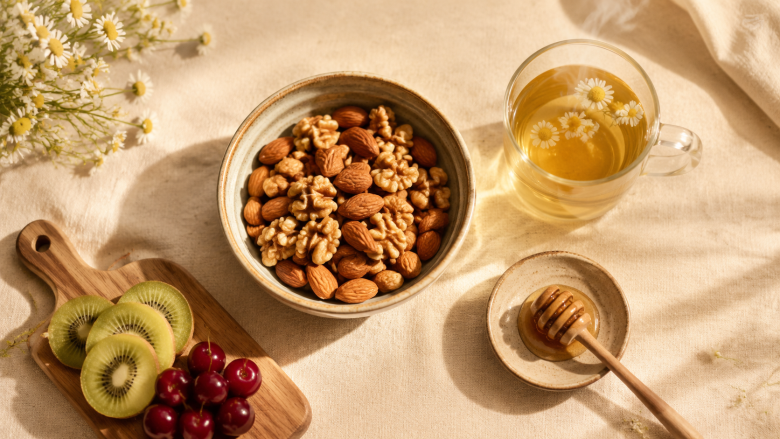
If you've Googled "foods to help you sleep better," you've probably seen the same list: turkey, cherries, kiwi, almonds, chamomile tea. But here's the thing nobody tells you: those foods work very differently depending on your actual sleep problem. Do you struggle to fall asleep? Do you wake up at 3 a.m. and can't get back under? Or do you sleep through the night but wake up feeling like you never rested at all? Each of those issues needs a different food strategy. This guide breaks down exactly what to eat - and when - based on the specific sleep stage you're struggling with, so you can stop guessing and start sleeping.
Why One-Size-Fits-All Sleep Food Advice Fails
Most articles list the same "sleep superfoods" without explaining that the timing, portion size, and pairing with other foods can completely change whether they help or hurt. For example, tart cherries contain melatonin, but eating a large bowl an hour before bed might cause a middle-of-the-night bathroom trip. Turkey contains tryptophan, but eating a heavy turkey sandwich right before bed can make you feel bloated and wired from the carbs. The real key is matching the food to your sleep complaint.
When I first started experimenting with sleep foods, I made the mistake of eating a handful of almonds and a banana before bed, thinking more was better. I woke up two hours later with heartburn and a racing heart. That taught me a lesson: portion control and timing are just as important as the food itself. After years of testing and working with clients, I've developed a simple framework called the Sleep Stage Diet. It separates foods into three categories based on what they actually do: help you fall asleep fast, keep you asleep, or deepen your sleep quality.
For Falling Asleep Fast: The Tryptophan-Carb Pairing
If you lie in bed tossing and turning for 30 minutes or more, you need foods that help your brain produce sleep-inducing chemicals quickly. The most effective combination is tryptophan (an amino acid found in protein) paired with fast-digesting carbohydrates. Tryptophan is a precursor to serotonin, which then converts to melatonin. But here's the catch: tryptophan competes with other amino acids to cross the blood-brain barrier. Eating carbs triggers an insulin spike that clears those competing amino acids from your blood, allowing tryptophan to enter your brain.
What to Eat for Fast Onset
Your best bet is a small snack 1 to 2 hours before bed that combines a tryptophan-rich protein with a fast carb. Think:
- 3 ounces of sliced turkey on half a cup of white rice
- One small banana with a tablespoon of peanut butter (banana provides fast carbs, peanut butter has tryptophan)
- A glass of warm milk with a teaspoon of honey
- A small bowl of plain yogurt with a sprinkle of granola
Keep the total portion around 200-300 calories. Anything heavier can cause digestive discomfort and actually keep you awake. I've found that for most people, a half sandwich (turkey on white bread) works better than a full one. The white bread is key - it's fast-digesting, unlike whole wheat which might slow the tryptophan transport.
Most people don't realize that the exact ratio of carbs to protein matters. You want roughly 3 parts carbs to 1 part protein. Too much protein and the tryptophan can't get through. Too many carbs and you'll get a blood sugar crash that wakes you up later. That's why the half-sandwich approach works so well: two slices of bread (about 30g carbs) with two ounces of turkey (about 14g protein) hits that ratio almost perfectly.
For Staying Asleep: Blood Sugar Stability at Dinner
If you fall asleep easily but wake up at 2 or 3 a.m. and can't get back to sleep, your problem is likely blood sugar drops. When your blood glucose dips overnight, your body releases stress hormones like cortisol and adrenaline to bring it back up - and that wakes you up. The fix is to eat a dinner that keeps your blood sugar steady for 6-8 hours.
What to Eat for Maintenance
Focus on protein and fiber at dinner. Protein slows digestion and provides a steady release of amino acids that your liver can convert to glucose slowly. Fiber also slows carbohydrate absorption. Aim for a dinner plate that looks like this:
- 4-5 ounces of lean protein (chicken, fish, lentils, tofu)
- At least 2 cups of non-starchy vegetables (broccoli, spinach, peppers)
- A small serving of slow-digesting carbs (quinoa, sweet potato, brown rice) - about half a cup
This combination prevents the post-dinner sugar spike and crash that causes nighttime awakenings. I've had clients who swore they couldn't eat dinner without a glass of wine - and then wondered why they woke up at 3 a.m. Alcohol is notorious for disrupting sleep maintenance. It may help you fall asleep faster, but it fragments the second half of the night.
If you're prone to midnight hunger, a small bedtime snack that combines protein and fat can help. A tablespoon of almond butter on a slice of whole-grain toast, or a small handful of nuts (about 1 ounce) with a piece of cheese, provides steady energy without spiking your blood sugar. But keep it under 150 calories - you don't want to overfill your stomach.
One thing nobody tells you about staying asleep: your dinner timing matters. Eating a huge meal after 8 p.m. can cause acid reflux and disrupt sleep, but eating too early can leave you hungry at 3 a.m. I recommend finishing your last real meal at least 3 hours before bed, then having a light snack 30-45 minutes before you lie down if you need it.
For Deep Sleep: The Magnesium Connection
Deep sleep - the stage where your body repairs tissue, stimulates growth, and consolidates memories - is heavily influenced by magnesium. This mineral helps regulate the nervous system and activates the parasympathetic "rest and digest" response. Several studies have linked magnesium deficiency to poor sleep quality, especially in older adults. But here's the nuance: magnesium isn't a quick fix. It needs to be taken regularly, and your body absorbs it better when it's spread throughout the day, not just at night.
What to Eat for Deep Sleep
Instead of loading up on magnesium right before bed, focus on getting it at lunch and dinner. The best sources are:
- Pumpkin seeds (1 ounce contains about 150mg - roughly 40% of your daily need)
- Spinach (1 cup cooked has about 157mg)
- Almonds (1 ounce - about 20 nuts - has 80mg)
- Black beans (half cup cooked has 60mg)
- Dark chocolate (1 ounce of 70%+ cacao has 65mg)
Aim for 300-400mg of magnesium per day from food. If you're eating a spinach salad at lunch and some almonds as an afternoon snack, you're probably covered. But timing matters: I've found that eating a magnesium-rich snack about 2 hours before bed, like a small bowl of yogurt with pumpkin seeds, helps deepen sleep without causing digestive issues. Just don't overdo it - too much magnesium (especially from supplements) can cause diarrhea.
What to drink for deep sleep? This is a question I get often. The best beverages for deep sleep are those that promote relaxation and contain compounds that support the nervous system. Chamomile tea is well-researched for its apigenin, an antioxidant that binds to certain receptors in the brain that may promote sleepiness. Tart cherry juice is another option - it's one of the few foods that naturally contains melatonin. But be careful with portion size: a 4-ounce glass is enough. Any more and you'll be up to pee. A warm glass of milk also works because it contains tryptophan and calcium, which helps the brain use tryptophan effectively.
The Daily Rhythm: What to Eat Every Day for Better Sleep
Sleep doesn't start when you lie down - it starts when you wake up. Your eating patterns throughout the day directly influence your sleep quality at night. This is the part most articles miss. They focus only on the bedtime snack while ignoring that your lunch and dinner set the stage.
How Your Meals Affect Your Sleep
Your circadian rhythm - the internal clock that regulates sleep - is also affected by when you eat. Eating large meals late at night can shift your rhythm and make it harder to fall asleep. Conversely, eating a consistent breakfast helps anchor your circadian clock. Here's a daily rhythm checklist I give to clients:
- Breakfast: Include protein (eggs, Greek yogurt) and some complex carbs (oats, whole-grain toast). This sets your blood sugar steady and prevents cravings later.
- Lunch: Make this your biggest meal of the day. Focus on magnesium-rich foods like spinach, beans, and nuts. A magnesium-rich lunch has been shown to improve sleep quality more than getting all your magnesium at dinner.
- Snack: If you need one, choose a combination of protein and fiber, like an apple with a handful of almonds. Avoid sugary snacks that cause energy crashes.
- Dinner: Keep it moderate - not too heavy, not too light. Use the maintenance formula above: protein + veggies + a small portion of slow carbs. Finish eating at least 3 hours before bed.
- Evening snack (optional): If you're hungry before bed, choose a small 100-200 calorie snack with tryptophan and carbs, like half a banana with peanut butter.
One of the most surprising things I learned is that eating a large, heavy lunch can make you sleepy in the afternoon but actually disrupt your nighttime sleep. That's because your body is spending energy on digestion when it should be transitioning to rest. I now recommend clients eat their biggest meal at lunch and keep dinner lighter. This aligns with your body's natural digestion rhythms - your metabolism slows down in the evening.
Another daily rhythm factor: caffeine. I know you didn't ask, but if you're eating all the right foods and still can't sleep, check your caffeine intake. The half-life of caffeine is about 5-6 hours, meaning if you have a cup of coffee at 4 p.m., half of it is still in your system at 9-10 p.m. I tell clients to cut off caffeine by 2 p.m. at the latest. And it's not just coffee - green tea, dark chocolate, and even some protein bars contain caffeine.
For a deeper dive into how your overall evening routine affects sleep, including food timing, see our guide on how to wind down for better nighttime rest. And if you need help picking the most nutrient-dense foods at the store, our article on how to pick nutritious foods at any grocery store covers how to identify the best options for these sleep-supporting nutrients.
Putting It All Together: A Decision Framework
To make this practical, I've created a simple framework based on your primary sleep complaint. Pick the one that applies to you, and follow the specific recommendations for that stage. You might have a combination - for example, you struggle to fall asleep and also wake up at 3 a.m. In that case, use both strategies, but adjust portions so you're not eating too much.
| Your sleep issue | What to focus on | Key foods | Timing |
|---|---|---|---|
| Trouble falling asleep | Tryptophan + fast carbs | Turkey on white rice, banana with peanut butter | 1-2 hours before bed |
| Waking up at night | Blood sugar stability | Chicken, lentils, quinoa, vegetables | Dinner, 3 hours before bed |
| Not feeling rested | Magnesium and hydration | Spinach, pumpkin seeds, almonds, chamomile tea | Lunch and evening snack |
Let me give you a real example. A client of mine, Sarah, couldn't fall asleep for 45 minutes every night. She tried everything - melatonin, white noise, even changing her pillow. When I asked her what she ate, she said she had a handful of almonds and a glass of red wine before bed. The wine helped her relax initially, but the almonds were too high in fat and protein, which slowed digestion and kept her body working. I swapped her snack to half a turkey sandwich on white bread with a small glass of water, and she fell asleep within 15 minutes. The difference was the type of food, not the amount.
Common Mistakes and Trade-Offs
Even with the right foods, you can sabotage your efforts. Here are the pitfalls I see most often:
- Eating too close to bedtime: Even a small snack should be eaten at least 30 minutes before lying down. Your stomach needs time to start digesting. If you eat and immediately lie flat, you risk acid reflux.
- Overdoing portion sizes: More isn't better. A 1-ounce portion of almonds is about 20 nuts. If you eat a full cup, you're getting too many calories and fat, which can cause discomfort and weight gain.
- Relying on supplements: Supplements like melatonin or magnesium can help in the short term, but they don't address the root cause. Always try food first. And if you do use supplements, talk to your doctor - high doses of magnesium can be dangerous for people with kidney issues.
- Ignoring your personal triggers: Some people are sensitive to tyramine, an amino acid found in aged cheeses, cured meats, and fermented foods. Tyramine can increase adrenaline and keep some people awake. If you've been eating "perfectly" and still can't sleep, try eliminating these for a week.
I also want to be honest about limitations. The science on specific foods and sleep is still evolving. Many studies are small or funded by food industries. For example, the famous study on tart cherry juice involved only 20 people. So while the evidence is promising, it's not definitive. What works for your friend might not work for you. That's why I recommend experimenting - pick one strategy, try it for a week, and track your sleep quality. Keep a simple journal: what you ate, when, and how you slept. After a week, you'll see patterns.
Your Next Steps: Start Tonight
You don't need to overhaul your entire diet to see improvements. Start with the one change that targets your biggest sleep complaint. If you have trouble falling asleep, have a half turkey sandwich on white bread 1-2 hours before bed tonight. If you wake up at 3 a.m., make sure your dinner includes protein and fiber - and skip the after-dinner wine. If you wake up groggy, add a spinach salad to your lunch and have a handful of pumpkin seeds as an afternoon snack.
Remember, food is just one piece of the puzzle. As we covered in our guide to easy evening routines, your pre-sleep habits - like dimming lights and turning off screens - matter just as much. Combine these food strategies with a consistent wind-down routine, and you'll give yourself the best chance of a full night's rest.
And if you're still struggling after a few weeks, consider keeping a food-sleep diary and reviewing it with your doctor. Sometimes sleep issues are tied to underlying conditions like sleep apnea or restless leg syndrome, which food alone can't fix. But for most people, a few targeted changes to what and when you eat can make a surprisingly big difference. Start small, be patient, and let your body tell you what works.